Out of Moab
Celebration of Discipline - Fasting

This is the fourth post in my Celebration of Disciplineseries.Click hereto check out the other articles in the series.
Foster’s work has been foundational to my journey – we can only get a taste of it here, but it’s very worth checking it out if you haven’t read it!
What is Fasting?
Abstaining from food (or other things) for a spiritual purpose.
What fasting is not:
“I’m going to starve myself for a day and hope that God is impressed enough that He does what I want Him to do!”
Now I know we would never say it quite like that, but that is how it’s often treated! With any of the disciplines, it’s easy to fall into legalism, where you are doing the “right” things in order to earn God’s favor or blessing – and fasting is no different. But with fasting (and any of the other disciplines), keeping the focus on fostering a deeper connection with God will help to prevent this from becoming a legalistic exercise.
Why should we fast?
· It’s an expected part of the faith – Jesus assumes that his followers will fast (Matthew 6:16 and Matthew 9:15). There are numerous mentions of fasting in Acts and the Epistles. Notable people throughout the history of the Church like Luther, Calvin, Knox, Wesley, Edwards and Finney practiced it. The early church fasted Wednesday and Friday (according to the Didache, written mid to late 1st Century)
· Fasting makes you realize our weakness, our dependence on God.
· It can humble us (Psalm 35:13 “Yet when they were ill, I put on sackcloth and humbled myself with fasting.”)
· We can fast for guidance (Acts 13:2-3 “While they were worshiping the Lord and fasting, the Holy Spirit said, “Set apart for me Barnabas and Saul for the work to which I have called them.” So after they had fasted and prayed, they placed their hands on them and sent them off.”) Fasting can make us more sensitive to God’s voice.
· For deliverance or protection (Esther)
· For power to overcome temptation (Jesus in the wilderness-Luke 4)
· Mourning for Jesus’ absence (Matthew 9: 14-15 “Then John’s disciples came and asked him, “How is it that we and the Pharisees fast often, but your disciples do not fast?” Jesus answered, “How can the guests of the bridegroom mourn while he is with them? The time will come when the bridegroom will be taken from them; then they will fast.”) The experience of physical hunger can draw us into a deeper hunger for Jesus' presence.
My experience with fasting
I first learned about fasting in the college ministry I was involved with. It was something the organization's founder talked and wrote about often. I had a chance to try it during a couple of extended prayer events where fasting was recommended. Since then, I’ve gone through periods where I practice it more regularly. I’ve fasted for different purposes throughout the years, but I’ve most strongly connected with the idea of fasting being about mourning for Jesus’ absence.
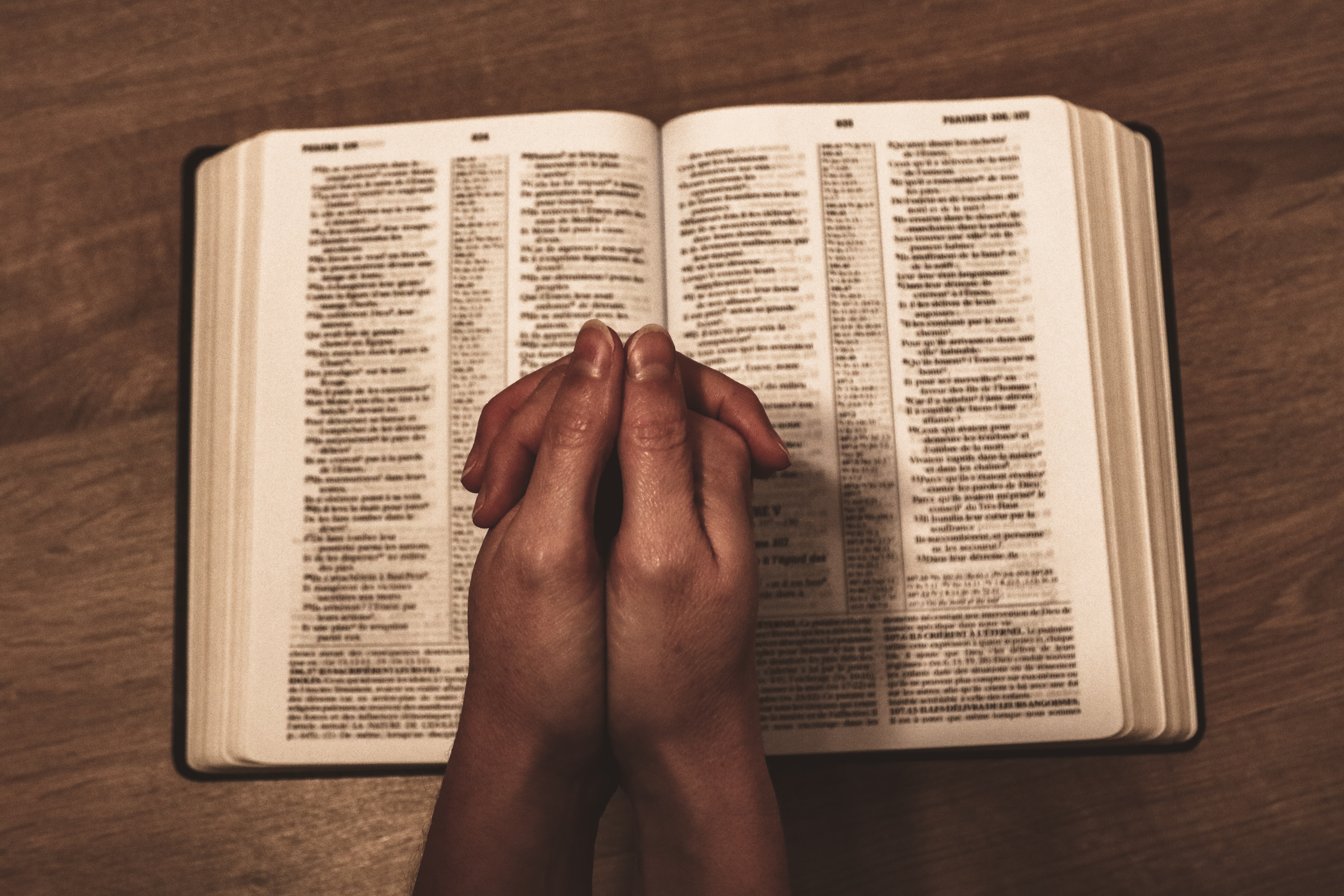
Paradoxically, there is something satisfying about experiencing a hunger for the presence of God, even before that hunger is satisfied. Because when that hunger grows, I can be confident that He will satisfy it. His will for me is a deeper experience of His love and goodness – experiencing that love is what will transform me, which is His ultimate goal.
I’ve fasted from food many times but have never done a social media fast, so as I set out to practice fasting this week, I decided to try to stay off social media for a day. I very quickly realized how much of a habit it is for me to pull out my phone and check Facebook, especially in moments where I am trying to look occupied – like feeling self-conscious while sitting alone in church before the service starts.
My experience reminded me that fasting can often reveal what we rely on for distraction or comfort. And upon removing what we had previously relied on, the resulting discomfort is what can help us turn to and rely on God more.
By the end of the day, I didn’t feel as much of a compulsion to keep pulling out my phone. I am going to start building this practice in more regularly, maybe trying a longer social media fast, and focusing on God more intentionally during these times.
If you’d like to start practicing fasting, here are a couple of suggestions:
· Go one step beyond where you’ve been (e.g. if you’ve never fasted from food before, you can start with fasting from 1 or 2 meals instead of a full day.)
· Take the time you would normally spend on what you are fasting from to devote to prayer and scripture study.
Questions for Reflection:
What has been your experience with fasting? What has challenged you? And what benefits have you seen?
Comment below or contact me – I’d love to connect with you!
Next week we will be focusing on the discipline of Study – subscribe, and I will send you the worksheet so you can journey with me this week!

Hey, I'm Deanna!
I'll start with the typical introductory details - I live in Wisconsin and work as an Administrative Assistant for a non-profit organization - but those are the least interesting things about me!
I love reading (theology, spiritual formation, biographies), baking and cooking, hiking and exploring the the beauty God has created - in all 4 seasons! All of these things bring me life, and they are all things I will be writing about here - so if any of that is interesting to you, subscribe and stick around for a while!


Join my mailing list - and receive a free download of a Spiritual Disciplines resource!

Created with © systeme.io