Out of Moab
Celebration of Discipline - Meditation

This is the second post in my Celebration of Disciplineseries. Click here to read last week's intro post.
Foster’s work has been foundational to my journey – we can only get a taste of it here, but it’s very worth checking it out if you haven’t read it!
This might be what you think of when you hear the word “meditation”
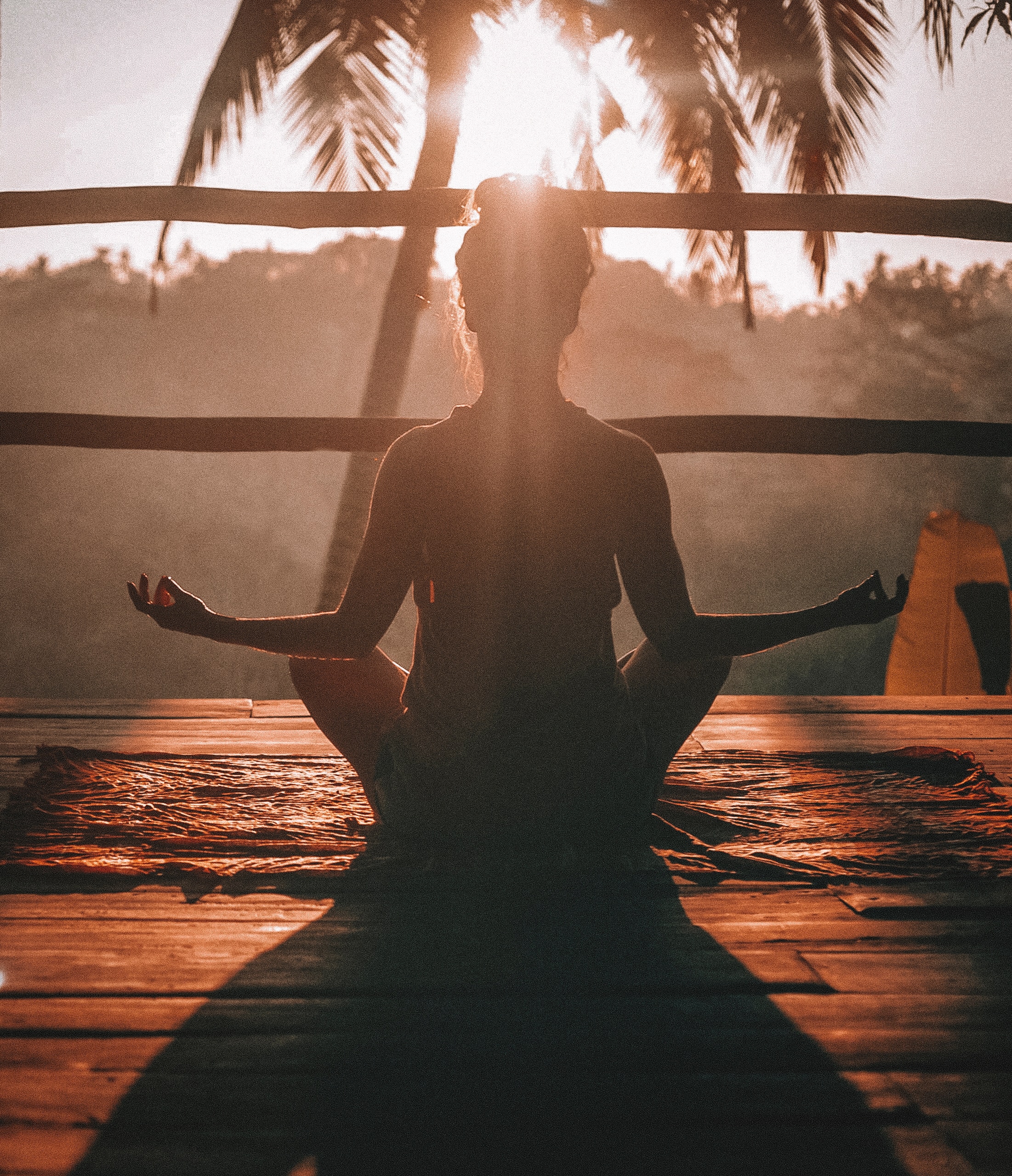
It isn’t used quite as often in a Christian context, but there is a biblical form of meditation (that doesn't necessarily look like this!)
“My eyes stay open through the watches of the night, that I may meditate on your promises.”
Psalm 119:148
“Keep this Book of the Law always on your lips; meditate on it day and night, so that you may be careful to do everything written in it.” Joshua 1:8a
“Finally, brothers and sisters, whatever is true, whatever is noble, whatever is right, whatever is pure, whatever is lovely, whatever is admirable—if anything is excellent or praiseworthy—think about such things.” Philippians 4:8
When practicing meditation in Eastern religions, the focus is often on emptying your mind. However, when used in a biblical sense, meditation is about filling your mind with the goodness of God, remembering who He is, what He has done, and what He promises to do – and as we do this, God changes us, allowing us to respond to His word with obedience and faithfulness.
According to Richard Foster,“Christian meditation, very simply, is the ability to hear God’s voice and obey his word.” (Celebration of Discipline, pg. 17)
As spend time in His presence, tuning into His voice, our friendship and intimacy with Christ deepens, allowing God to sanctify and transform us.
What are some ways you can meditate?
· Meditate on Scripture
· Take time to express and release your concerns, fears, anxieties to God, then receive His perspective, peace and love.
· Meditate on nature and the beauty of God reflected there.
How to have more effective times of meditation:
· Set aside consistent times to meditate – but also be preparing yourself throughout your day (if your day is hectic and out of balance, it will be difficult to slow down and enter into meditation).
· Find a place free of interruptions (no phone near you!). Choose the same place each day.
· Consider your posture – find one that is most comfortable (without falling asleep!) and least distracting.
In this series, I am not just studying the disciplines but practicing each one and talking about my experience with it. For this week, I chose to practice Lectio Divina. If you subscribed, you received my Lectio Divina worksheet, so you could join me. (If you still need to access the worksheet, Click here to download it)
As a quick review, Lectio Divina is Latin for “divine reading.” It involves a slow, thoughtful praying of the Scriptures.
Lectio Divina is a different approach from Scripture study – the goal is not to learn more information about God but to encounter and hear from God in His Word.
The steps to Lectio Divina:
1. Lectio: read the passage three times, letting words and phrases jump out at you.
2. Meditatio: let the message sink to a deeper place – think through personal implications, reading the Bible personally.
3. Oratio: respond in quiet prayer or journaling
4. Contemplatio/operatio: Share or pray, then submit to the Word and walk it out in our daily lives.
My experience with Lectio Divina
I’ve appreciated Lectio Divina because my natural approach to Scripture is more analytical. I love geeking out over Greek word studies and learning about the culture and historical context. That approach is absolutely necessary, but if God’s word is truly alive and active, it’s more than just something to be studied and analyzed. I encounter and hear from God in a different way when I approach Scripture in this meditative way. Sometimes my relationship with God can be too head-focused, so this has helped balance and deepen my walk with Him.
When I went through my worksheet this week in preparation for this post, it was initially a challenge. The passage I chose (Mark 10:46-52) was a very familiar one, so I was worried that I would just focus on my usual favorite phrases. Because of this, I took a few minutes to pray that God could still show me something new that I needed for that moment.
As I spent time reflecting on this passage, God highlighted a couple of different phrases that helped to reinforce some things I had been hearing from Him in the past couple of days. So despite my concern about the passage being too familiar, God was faithful to do what I needed in that moment!
I absolutely love Lectio Divina (and meditation in general) – but as I said in my intro to this series, some disciplines will be more natural for you, while some will be a challenge. If you tried it, how did it go for you? What was challenging about it? What did you learn about God or yourself? I’d love to hear from you!
Comment below or contact me.
Next week I will be covering prayer. If you have subscribed, you will have already received the prayer exercise worksheet to help prepare for next week. If you would like to join me on my journey, subscribe and I will send you the prayer worksheet!

Hey, I'm Deanna!
I'll start with the typical introductory details - I live in Wisconsin and work as an Administrative Assistant for a non-profit organization - but those are the least interesting things about me!
I love reading (theology, spiritual formation, biographies), baking and cooking, hiking and exploring the the beauty God has created - in all 4 seasons! All of these things bring me life, and they are all things I will be writing about here - so if any of that is interesting to you, subscribe and stick around for a while!


Join my mailing list - and receive a free download of a Spiritual Disciplines resource!

Created with © systeme.io