Out of Moab
Celebration of Discipline - Study

This is the fifth post in my Celebration of Disciplineseries.Click hereto check out the other articles in the series.
Foster’s work has been foundational to my journey – we can only get a taste of it here, but it’s very worth checking it out if you haven’t read it!
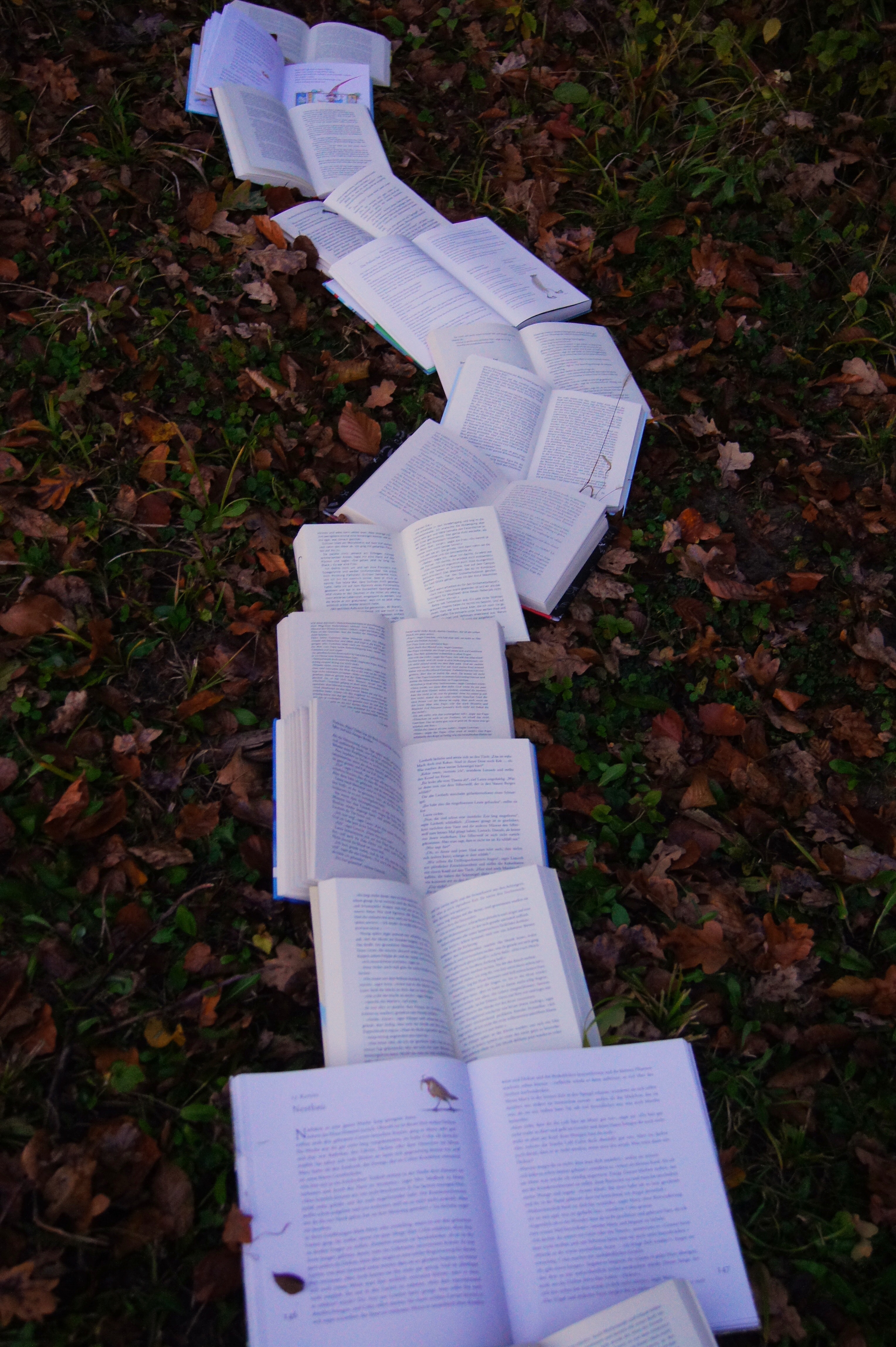
I have always loved to study. The joy of learning is endless, as there is always more to discover! I’ve often wished that there would be a way to get paid to go to school for the rest of my life!
But in that mindset of constantly pursuing knowledge, there can be a bit of a danger – to pursue knowledge for knowledge’s sake. The spiritual discipline of study can help us guard against that.
Study: pursuing the knowledge of the truth that will set you free.
It starts with pursuing knowledge, but continues with walking out the truth you discover – and the ultimate goal is freedom!
“Finally, brothers and sisters, whatever is true, whatever is noble, whatever is right, whatever is pure, whatever is lovely, whatever is admirable—if anything is excellent or praiseworthy—think about such things.” Philippians 4:8
Study helps us to “think about such things” Then as we ponder and put them into practice, our mind is renewed.
“Do not conform to the pattern of this world, but be transformed by the renewing of your mind.” Romans 12:2a
Study is more analytical (vs. meditation which is more devotional), but it isn’t limited to just studying books.
What types of things can we study?
·Study Scripture – to encounter God, be taught, corrected, equipped and ultimately transformed. 2 Timothy 3:16-17. Studying Scripture in this way requires that we discern the right interpretation first before we move on to personal application.
· Study Christian classics – Study involves understanding what the author is saying, interpreting what the author means, and evaluating the truth of the book’s contents.
·Nonverbal Study – the observation of reality in things, events and actions.
· Study nature -Because God has revealed Himself in nature, by paying attention and observing details in nature, you can grasp a bit of who God is.
· Study ourselves - pay attention to our reactions, motivations, how we operate in relationships.
· Study our culture, institutions and events - to discern the forces and ideas that shape them.
There are 4 steps in practicing the discipline of study:
· repetition (to build habits of the mind)
·concentration (keeping focus and resisting distraction)
· comprehension (focusing on the knowledge of the truth)
· reflection (discerning the significance of the knowledge, bringing it to a deeper place)
My experience with study:
Study appeals to my analytical nature. All of the examples Foster listed as possible areas of study are things I find myself doing regularly, so this discipline comes more naturally to me than most of the others!
When it came time for me to do my own assignment (click here to download my study exercise), I read through the passage and jotted down notes – things that stood out, questions, things I didn’t fully understand. I got a bit sidetracked by a Greek word study along the way, (which is typical!)
After my initial reading, I read the IVP commentary on the chapter, which is free hereand is pretty extensive! I was familiar with a lot of what they said, but it did help me work through a part of the passage I was getting hung up on.

As I reflected on this, I realized that if I had just read through the chapter without taking time to study, as I so often do, I would’ve just been left with unease and unanswered questions. So even though I won’t have the time to study at this depth every day, I could benefit from doing it more regularly!
If you would like to pursue study a bit more, here are some things to try:
· Schedule a personal study retreat – get away and focus on studying a book of the Bible
· Take a smaller book of the Bible and read through it every day for a month, journaling your thoughts about it. Use commentaries and other resources to help you dive deeper and understand context.
· Choose a Christian classic that you’ve never read and take time to read, study, evaluate and apply it.
Questions for Reflection:
Earlier in the series, we did a Scripture meditation exercise (Lectio Divina). Studying Scripture and meditating on Scripture reflect two very different approaches. If you participated in both of these, which was more challenging and why? What benefits are there to each approach?
Comment below or contact me – I’d love to connect with you!
Next week we will be focusing on the discipline of Simplicity – subscribe, and I will send you the worksheet so you can journey with me this week!

Hey, I'm Deanna!
I'll start with the typical introductory details - I live in Wisconsin and work as an Administrative Assistant for a non-profit organization - but those are the least interesting things about me!
I love reading (theology, spiritual formation, biographies), baking and cooking, hiking and exploring the the beauty God has created - in all 4 seasons! All of these things bring me life, and they are all things I will be writing about here - so if any of that is interesting to you, subscribe and stick around for a while!


Join my mailing list - and receive a free download of a Spiritual Disciplines resource!

Created with © systeme.io